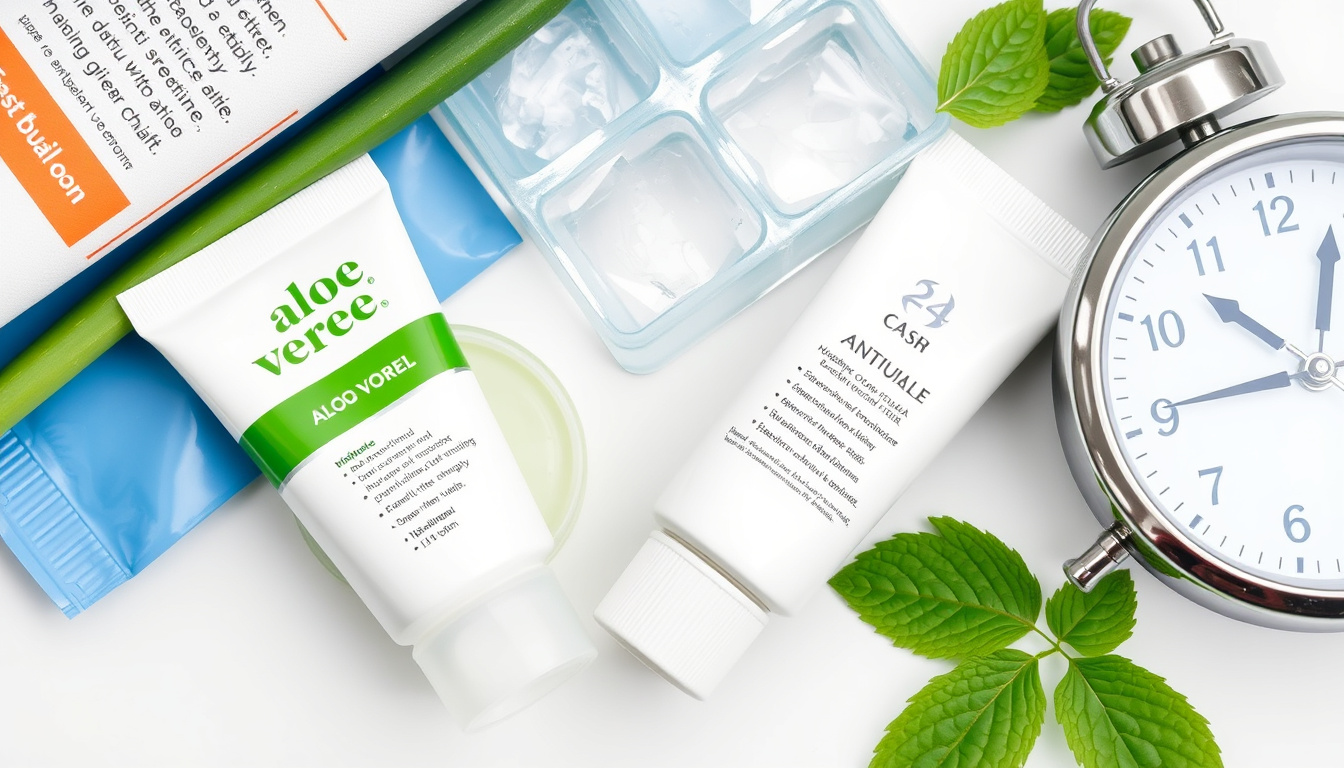

That familiar tingle on your lip usually arrives at the worst possible moment. Acting fast — within the first few hours — can meaningfully cut healing time.
FDA-approved OTC: Docosanol (Abreva) · Apply antivirals: As soon as tingling starts · Ice application: Several times a day · Typical healing: Shortened by 1 day with creams · Government advice: HSE.ie recommends early creams
Quick snapshot
- Antiviral creams shorten healing by about 1 day when applied early (GoodRx)
- Abreva heals cold sores in roughly 4 days when applied within 12 hours — about 18 hours faster than placebo (GoodRx)
- Cold sores caused by HSV-1 affect over half of adults aged 14-49 (Dermal Therapy)
- Whether a true 24-hour full cure is realistic — most treatments reduce duration by 1 day at best
- If lysine’s mixed research results mean it works for some people but not others
- How much vitamin C and zinc actually help, given limited evidence
- 1983 Walsh et al. study reported 88% effectiveness for lysine (PMC)
- 2005 small study showed cold sore healing accelerated from 21 days to 6 days with lysine (Healthline)
- 2019 PMC review found mixed results across lysine prophylaxis studies (PMC)
- Best results come from acting within 24-48 hours of first symptoms (CPRAED Course)
- Combine an antiviral cream with ice and protection for fastest apparent improvement (CPRAED Course)
- Discuss prescription antivirals with a doctor for severe or frequent outbreaks (Harvard Health)
A summary of core facts guides treatment decisions and sets realistic expectations.
| Key fact | Detail |
|---|---|
| Primary cause | Herpes simplex virus (HSV-1) |
| Fastest OTC treatment | Abreva (Docosanol) — FDA-approved |
| Gov recommendation | Early antiviral creams — HSE.ie guidance |
| Healing boost | Ice reduces swelling and pain |
| Natural duration | 1–2 weeks without treatment |
| Optimal start window | 24–48 hours after first symptoms |
| Proven dose (lysine) | Over 3 g/day for subjective improvement |
What kills a cold sore fastest?
When speed matters, two approaches have the strongest evidence behind them: FDA-approved antiviral creams and prescription oral antivirals started within 24-48 hours of an outbreak. Starting antiviral treatment within the first 24 to 48 hours of noticing a cold sore can reduce its duration by about one to two days, according to health guidance cited across multiple sources.
Antiviral creams
Docosanol (marketed as Abreva) is currently the only FDA-approved over-the-counter antiviral cream for cold sores. One study showed it heals cold sores in roughly 4 days when applied within 12 hours of outbreak symptoms — about 18 hours faster than placebo. For the best results, apply Abreva five times daily starting at the first sign of tingling until the sore is fully healed. This means keeping the cream with you or at your bathroom sink if you know the warning signs.
Abreva is FDA-approved; topical lysine is not approved or proven effective for prevention or treatment. The distinction matters: Abreva has clinical trial data backing its claims, while lysine creams sold in pharmacies lack that regulatory endorsement.
Ice and compresses
Ice won’t cure a cold sore, but it can meaningfully reduce swelling and pain in the first 24 hours. Wrap ice in a cloth and apply it to the area for 10–15 minutes several times a day. This simple step makes the sore less visible and more comfortable while your antiviral cream does its work. Ice packs reduce swelling and pain overnight, making this one of the most practical overnight strategies available without a prescription.
Lysine supplements
Lysine works by blocking arginine absorption — arginine is an amino acid the herpes simplex virus needs to replicate. Research shows that doses under 1 gram per day appear ineffective, while doses exceeding 3 grams per day appear to improve patients’ subjective experience, according to a PMC review. For treatment, the common recommendation is 1 gram taken three times daily; for prevention, 1 gram daily is often suggested.
A 1983 study by Walsh et al. with over 1,500 respondents found 88% considered lysine effective for herpes, reducing severe symptoms from 60% to 4%. A 2005 smaller study showed healing accelerated from 21 days to 6 days for 87% of participants. However, research on lysine for cold sores is inconclusive overall — the evidence is promising but not definitive, and more recent randomized controlled trials are lacking.
How to make a cold sore heal overnight
Overnight healing is realistic in the sense that a cold sore can look and feel noticeably better by morning if you apply the right steps before bed. The goal isn’t a full cure — cold sores don’t disappear overnight for most people — but visible improvement and pain reduction are absolutely achievable.
Overnight remedies
- Apply Abreva before bed. If you still have tingling, this is your highest-impact move. Dab it on clean skin and let it absorb rather than wiping it off.
- Ice before sleep. Ten to fifteen minutes of cold therapy right before bed reduces inflammation that builds throughout the day.
- Cover with petroleum jelly. After applying your antiviral, a thin layer of petroleum jelly keeps the area protected from friction and helps retain moisture that aids healing.
Sleep healing tips
Sleep itself is a healing tool. Your body directs more resources to repair during deep sleep, and keeping your head slightly elevated can reduce swelling overnight. Avoid sleeping on your stomach if possible — pressure on the affected area worsens both pain and appearance come morning.
Avoid triggers
Certain things make a cold sore worse overnight, even if you’ve applied treatment correctly. Salty, acidic, or spicy foods before bed can sting the open sore and delay healing. Touching the area or picking at scabs will extend inflammation. Also avoid sharing pillows, cups, or towels — HSV-1 spreads easily through contact, and washing your hands after any application is standard hygiene.
Acting before you sleep matters more than anything you do while unconscious. Abreva plus ice plus petroleum jelly is a practical three-step evening routine that gives you the best possible start when you wake.
What causes cold sores to flare up?
Understanding triggers won’t cure a current outbreak, but it helps you avoid making one worse and reduces future flare-ups. Cold sores don’t appear randomly — they’re a response to specific conditions that activate the herpes simplex virus.
Top triggers
- Stress. Emotional and physical stress suppress immune function, giving HSV-1 a window to reactivate.
- Sun exposure. Ultraviolet light is a well-documented trigger for lip-area outbreaks. SPF lip balms aren’t just for winter.
- Illness or fever. The term “fever blister” exists because general illness often accompanies cold sore flare-ups.
- Hormonal changes. Menstruation and hormonal fluctuations correlate with outbreaks in some people.
- Fatigue and lack of sleep. General immune depletion opens the door for viral reactivation.
- Injury or trauma to the lip area. Even dental work or cosmetic procedures near the mouth can provoke a response.
Stress and immunity
The immune system and HSV-1 exist in a kind of tense standoff. Most of the time, a healthy immune response keeps the virus dormant. When stress, poor sleep, or illness weakens that response, the virus travels along nerve pathways to the lip surface. This means that supporting your general health is also a form of cold sore prevention.
Vitamin links
Vitamin deficiencies — particularly of lysine, vitamin C, and zinc — have been explored as contributing factors in cold sore frequency. Lysine is the most studied: it competes with arginine, which HSV-1 requires, so low lysine may allow easier viral replication. However, the evidence for C and zinc is weaker, and these are better viewed as supportive measures rather than proven fixes.
If you’re getting cold sores more than four times a year, a doctor can discuss prescription antivirals for preventive use. This is especially worth considering for people with compromised immune systems or important events where a flare-up would be particularly disruptive.
What vitamin are you lacking with cold sores?
The honest answer is that lysine is the most commonly cited nutritional factor, but cold sores don’t necessarily indicate a single “deficiency” in any straightforward sense. The relationship between nutrition and HSV-1 is more nuanced than a simple lab value.
Lysine role
Lysine is an essential amino acid that appears to inhibit HSV-1 replication by interfering with arginine, a mineral the virus needs to multiply. Foods high in arginine — nuts, seeds, chocolate, whole grains — may theoretically worsen cold sore frequency for some people, though research on this specific mechanism in humans is limited. Doses less than 1 gram per day appear ineffective; doses over 3 grams per day appear to improve subjective experience, according to a PMC review. Oral lysine dosage for treatment is commonly suggested as 1 gram three times daily, while prevention may require only 1 gram daily.
Vitamin connections
Vitamin C and zinc support general immune function, which may reduce cold sore frequency indirectly. A 2019 PMC review noted that supplements including these nutrients have been studied in herpes contexts, but the evidence isn’t strong enough to make definitive claims. Vitamin C and zinc supplements may help cold sores, but the mechanism is general immune support rather than a direct antiviral effect.
Supplementation evidence
If you choose to supplement with lysine, keep a few practical points in mind: topical lysine is not proven effective for prevention or treatment, so focus on oral supplementation. Doses above 3 grams daily may cause mild gastrointestinal discomfort in some people. Pregnant users should avoid lysine supplementation because sufficient safety research doesn’t exist for this group. And remember — lysine works alongside other care steps, not as a replacement for antiviral creams.
Lysine supplements are widely available and generally safe at normal doses, but they’re not FDA-regulated like drugs. Quality varies between brands, and product claims on packaging aren’t independently verified the way prescription medications are.
How do celebrities hide cold sores?
Celebrities deal with cold sores just like everyone else — they just have access to makeup artists and concealers designed to render a sore nearly invisible on camera. The techniques they use are available to anyone willing to invest a little effort.
Cover-up tips
- Start early. The moment you feel tingling, apply Abreva. A smaller, less inflamed bump is far easier to conceal than a full blister.
- Use a dedicated cold sore patch. Products like Compeed create a discreet, protective layer that also reduces visibility while keeping the area moist for faster healing.
- Green-tinted primer. Green color correctors neutralize the redness of a cold sore before concealer application. This is a standard makeup artist technique.
- Solid concealer over patch or cream. Once the antiviral or patch is in place, apply a thick concealer with a small brush and set with powder.
Makeup and products
The key professional insight is layering: antiviral treatment first, then a protective patch if desired, then color correction, then concealer. Each layer serves a purpose — you’re not just hiding the sore, you’re creating the conditions for faster healing while keeping it invisible.
Quick fixes
If time is short, apply ice for a few minutes to reduce swelling, dab on Abreva, and use a thick lip balm or lip sunscreen with a tinted sheen to draw attention away from the affected area. For anyone with recurrent cold sores, keeping a small “cold sore emergency kit” in a bag or desk drawer — cream, concealer, a single-use patch — means you’re never caught unprepared.
For people whose cold sores appear before important events, the emotional relief of effective concealment is real. The steps that minimize a cold sore’s appearance also tend to accelerate healing — so quick fixes and good treatment are often the same strategy in disguise.
Steps to treat a cold sore fast
A practical step-by-step approach brings together the evidence into a manageable routine. Not every step is essential for every person, but this framework covers the most effective options in order of impact.
- Act within 24 hours of first symptoms. The moment you feel the characteristic tingle or see early redness, start treatment. Every hour matters at this stage.
- Apply Abreva (docosanol) five times daily. Dab a small amount onto the affected area at first sign of symptoms and continue until the sore is fully healed. This is the single most evidence-backed OTC step available.
- Add ice for comfort. Wrap ice in a soft cloth and apply for 10–15 minutes at a time, several times a day, especially in the first 24 hours. This reduces swelling and numbs pain.
- Consider lysine supplementation. Take 1 gram three times daily with food if you choose to supplement. Do not exceed recommended doses, and skip if you are pregnant.
- Protect with petroleum jelly. After applying your antiviral treatment, a thin layer of petroleum jelly keeps the area protected from friction and maintains moisture.
- Avoid triggers during healing. Skip spicy or acidic foods, don’t pick at the sore, wash your hands after touching the area, and avoid sharing items with others.
- Sleep smart. Keep your head slightly elevated, apply one last round of treatment before bed, and protect the area from pillow friction.
- Consult a doctor if needed. If you get frequent outbreaks (more than four per year), have a compromised immune system, or find OTC treatments ineffective, discuss prescription antivirals like acyclovir or valacyclovir with your physician.
Upsides
- Abreva is FDA-approved with clinical trial evidence backing faster healing
- Ice is free, universally available, and provides immediate pain relief
- Acting within 24-48 hours meaningfully reduces total outbreak duration
- Most treatments are available without prescription
Downsides
- No treatment delivers a true 24-hour full cure for most people
- Lyse evidence remains mixed; results vary between individuals
- Abreva requires frequent reapplication (5 times daily)
- Prescription antivirals require a doctor visit and may not be covered by insurance for mild cases
What experts and sources say
Research shows that starting antiviral treatment within the first 24 to 48 hours of noticing a cold sore can reduce its duration by about one to two days.
— CPRAED Course (Health Blog)
Abreva took about 4 days to heal the infection when it was applied within 12 hours of a cold sore outbreak. This is about 18 hours faster than with a placebo.
— GoodRx (Pharmacy Resource)
Oral antivirals like acyclovir shorten symptoms if taken at first sign.
— Harvard Health (Medical Institution)
Related reading: Why Am I Peeing So Much All of a Sudden? · What Causes Anxiety Symptoms
pomdental.com, abreva.com, apdentalstudio.com, cls.health, webmd.com, doctronic.ai, houstonmethodist.org
Beyond Abreva and lysine, proven 24-hour relief methods emphasize early ice application for faster healing of HSV-1 outbreaks.
Frequently asked questions
How to stop a cold sore when you feel it coming on?
Apply Abreva (docosanol) immediately at the first sign of tingling, and repeat five times daily. Ice can reduce early swelling. Starting antiviral treatment within the first 24 to 48 hours is the most effective action you can take — research confirms this window makes the biggest difference to total healing time.
What kills cold sores instantly home remedies?
Nothing eliminates a cold sore instantly. The most effective home remedy is ice applied for 10-15 minutes several times a day to reduce swelling and pain. Other options with varying evidence include lemon balm extract, Manuka honey, and aloe vera gel applied fresh to the area. None of these “kill” the virus outright, but they may speed healing and reduce discomfort.
How to get rid of a cold sore naturally?
Natural options with some supporting evidence include lemon balm extract (which inhibits HSV replication), Manuka honey (which has antiviral properties), and aloe vera gel (which reduces inflammation). Ice is the most universally accessible natural approach. Keep in mind that “natural” doesn’t mean more effective — Abreva has stronger clinical evidence than any natural remedy discussed here.
Does salt on cold sore overnight work?
Salt has mild drying and antimicrobial properties, but it can also irritate an open sore and delay healing. Most dermatologists recommend against harsh drying agents on active cold sores. If you want to try a salt-based approach, a gentle saline rinse is gentler than pressing dry salt onto the area.
How to dry up a cold sore in hours?
Abreva applied frequently (five times daily) reduces the fluid-filled stage and helps the sore heal faster overall. Ice reduces visible swelling within hours. Petroleum jelly keeps the area moist and protected, which paradoxically helps it resolve faster than letting it dry out and scab over. Avoid picking at scabs, as this extends inflammation.
What are great ways to get rid of cold sores fast?
The highest-impact combination is applying Abreva immediately and repeating five times daily, combined with ice compresses for pain and swelling control, and avoiding known triggers. For people with frequent outbreaks, discussing daily lysine supplementation (1 gram) or prescription antivirals with a doctor offers longer-term management.
How to clear a cold sore in 3 days?
Clearing a cold sore in 3 days is an ambitious but occasionally achievable goal with optimal treatment. Abreva applied within 12 hours of first symptoms heals cold sores in roughly 4 days, versus 5-6 days with placebo — so early intervention is critical. Combine antiviral cream with ice, lysine if you choose to supplement, and avoid triggers like sun exposure, stress, and irritating foods. Without any treatment, cold sores typically last 1-2 weeks.
Related stories





Jessica Morin covers provincial policy and regional economic trends.